
Nutrient Deficiency as a Cause of Hair Fall

Nutrient deficiency is a significant and often overlooked cause of hair fall. Different nutrients play specific roles in maintaining the health and growth of hair. Here’s a closer look at how deficiencies in key nutrients can lead to hair loss and how Herbally Touch addresses these issues.

Key Nutrients and Their Impact on Hair Health

1. Iron Deficiency

Impact on Hair: Iron deficiency is one of the most common causes of hair loss, particularly in women. It can lead to a condition called telogen effluvium, where hair falls out after a significant shock to the system.

Symptoms: Thinning hair, excessive shedding, fatigue, and pale skin.

Sources of Iron: Red meat, spinach, lentils, and fortified cereals.

2. Vitamin D Deficiency

Impact on Hair: Vitamin D is essential for hair follicle cycling. Deficiency can lead to alopecia areata and other forms of hair loss.

Symptoms: Hair thinning, brittle hair, bone pain, and muscle weakness.

Sources of Vitamin D: Sunlight, fatty fish, fortified dairy products, and supplements.

3. Biotin (Vitamin B7) Deficiency

Impact on Hair: Biotin is crucial for keratin production, which is the main protein in hair. Deficiency can lead to hair thinning and loss.

Symptoms: Hair loss, brittle nails, skin rashes, and fatigue.

Sources of Biotin: Eggs, almonds, sweet potatoes, and spinach.

4. Zinc Deficiency

Impact on Hair: Zinc is vital for hair tissue growth and repair. It also helps maintain the function of the oil glands around the follicles.

Symptoms: Hair loss, rough and dry skin, frequent infections, and slow wound healing.

Sources of Zinc: Oysters, beef, pumpkin seeds, and chickpeas.

5. Vitamin B12 Deficiency

Impact on Hair: Vitamin B12 is essential for red blood cell formation, which in turn helps transport oxygen to hair follicles. Deficiency can lead to hair thinning and loss.

Symptoms: Hair loss, fatigue, weakness, and neurological issues.

Sources of Vitamin B12: Meat, fish, dairy products, and fortified cereals.

6. Folate (Vitamin B9) Deficiency

Impact on Hair: Folate aids in the formation of red blood cells and the growth of new cells. Deficiency can lead to hair thinning and loss.

Symptoms: Hair loss, fatigue, mouth sores, and poor growth.

Sources of Folate: Leafy greens, beans, peas, and fortified cereals.

7. Vitamin A Deficiency

Impact on Hair: Vitamin A is important for the production of sebum, which keeps the scalp moisturized. However, both deficiency and excess of Vitamin A can cause hair loss.

Symptoms: Dry hair, scalp issues, and vision problems.

Sources of Vitamin A: Sweet potatoes, carrots, pumpkins, and dark leafy greens.

8. Vitamin C Deficiency

Impact on Hair: Vitamin C is crucial for collagen production and helps in iron absorption. Deficiency can lead to weak, brittle hair and increased hair fall.

Symptoms: Hair loss, dry and splitting hair, bleeding gums, and frequent infections.

Sources of Vitamin C: Citrus fruits, strawberries, bell peppers, and broccoli.

9. Protein Deficiency

Impact on Hair: Protein is the building block of hair. A deficiency can lead to hair thinning and hair loss.

Symptoms: Hair loss, muscle wasting, fatigue, and weakened immune system.

Sources of Protein: Eggs, fish, lean meats, beans, and nuts.

10. Omega-3 Fatty Acids Deficiency

Impact on Hair: Omega-3 fatty acids nourish the hair and support its growth. Deficiency can lead to dry, brittle hair and scalp inflammation.

Symptoms: Dry and flaky scalp, rough hair, and dry skin.

Sources of Omega-3 Fatty Acids: Salmon, flaxseeds, chia seeds, and walnuts.

Preventing Nutrient Deficiencies

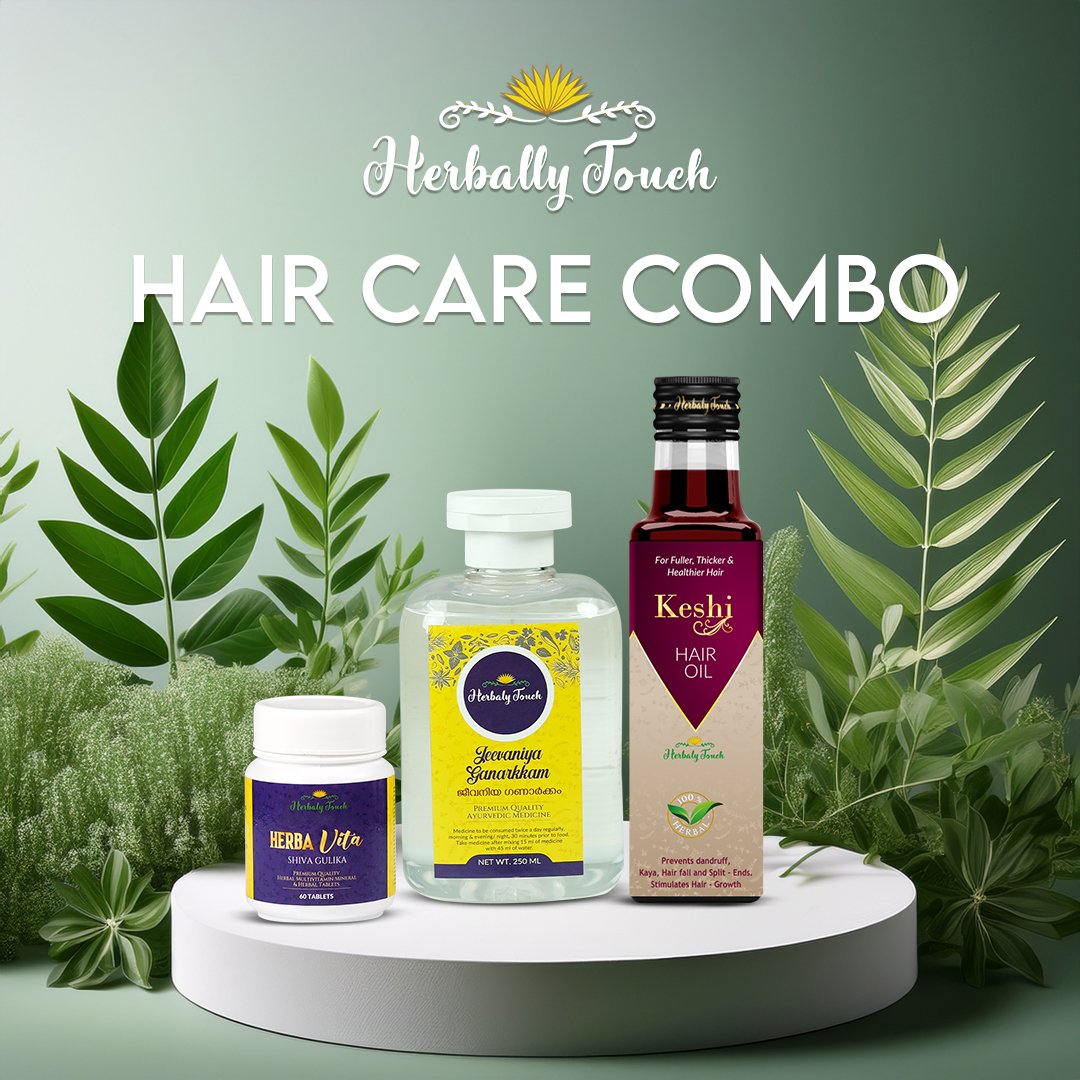
At Herbally Touch, we understand that simply consuming nutrients is not enough; their absorption is equally important for overall health and hair growth. With this aim, we have introduced products like Jeevaniyaganarkkam and Herbavita, which help the body to deal with nutrient deficiencies effectively. These products are specially formulated to enhance the absorption of essential nutrients, thereby playing a major role in the promotion of hair growth and overall well-being. By integrating these products into your daily routine, you can ensure that your body receives and absorbs the nutrients it needs to maintain healthy hair and prevent hair fall.
Dive into the Antioxidant Properties of G Coffee: Combating Oxidative Stress and Promoting Overall Health

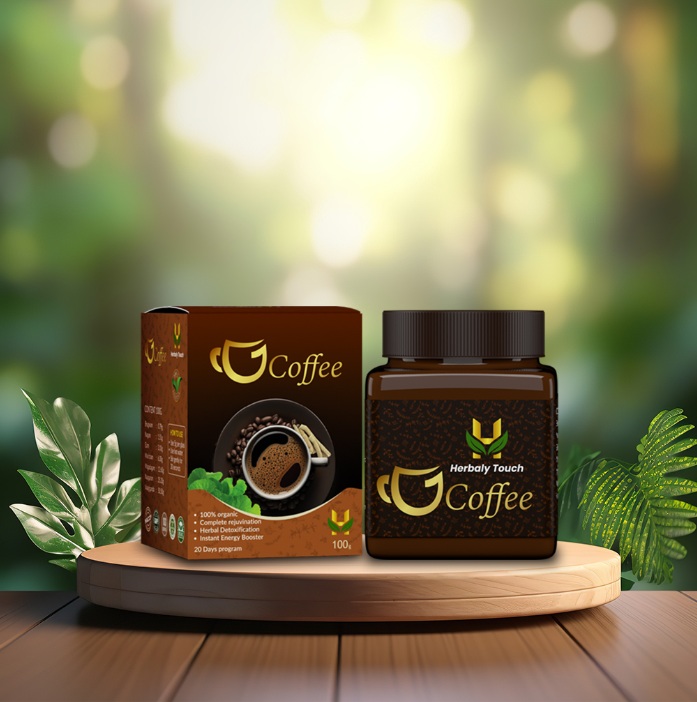
In the world of health and wellness, antioxidants are celebrated for their ability to combat oxidative stress and support overall health. G Coffee, a unique blend of unroasted green coffee beans and powerful herbs such as ashwagandha, mucuna pruriens, cardamom, pepper, and ginger, is a potent source of these vital compounds. Let’s dive into the antioxidant properties of G Coffee and explore how they contribute to combating oxidative stress and promoting overall health.

Understanding Oxidative Stress

Oxidative stress occurs when there is an imbalance between free radicals and antioxidants in the body. Free radicals are unstable molecules that can damage cells, proteins, and DNA, contributing to aging and various diseases. Antioxidants neutralize these free radicals, preventing them from causing harm and maintaining cellular health.

The Antioxidant Power of G Coffee

Green Coffee Beans

The primary ingredient in G Coffee, unroasted green coffee beans, is a rich source of chlorogenic acid—a powerful antioxidant. Chlorogenic acid has been shown to:

  1. Reduce Inflammation: By neutralizing free radicals, chlorogenic acid helps lower inflammation levels in the body, reducing the risk of chronic inflammatory conditions.
  2. Improve Metabolism: This compound also aids in regulating glucose and lipid metabolism, supporting weight management and reducing the risk of metabolic disorders.
  3. Protect Cells: Chlorogenic acid protects cells from oxidative damage, which is crucial for preventing diseases like cancer and cardiovascular diseases.

Ashwagandha

Ashwagandha, a well-known adaptogen, is packed with antioxidants that help combat oxidative stress. Its benefits include:

  1. Enhancing Immunity: By reducing oxidative stress, ashwagandha supports a robust immune system, helping the body fend off infections and illnesses.
  2. Promoting Brain Health: Antioxidants in ashwagandha protect brain cells from damage, enhancing cognitive function and potentially reducing the risk of neurodegenerative diseases.

Mucuna Pruriens

Mucuna pruriens, also known as velvet bean, contains high levels of antioxidants like L-DOPA. These antioxidants:

  1. Support Neuroprotection: L-DOPA helps protect neurons from oxidative damage, improving brain health and reducing the risk of neurological disorders.
  2. Enhance Mood and Well-being: By reducing oxidative stress, mucuna pruriens supports overall mental health and well-being.

Cardamom

Cardamom is not just a flavourful spice but also a potent antioxidant. It offers several health benefits:

  1. Detoxification: Antioxidants in cardamom help detoxify the body by neutralizing free radicals and promoting cellular health.
  2. Digestive Health: Cardamom’s antioxidant properties support a healthy digestive system, reducing the risk of gastrointestinal issues.

Pepper

Black pepper contains piperine, a compound with strong antioxidant properties. Piperine:

  1. Enhances Nutrient Absorption: By improving the bioavailability of other nutrients, piperine ensures that the body absorbs more antioxidants from the diet.
  2. Supports Metabolism: Piperine’s antioxidant effects help boost metabolism and protect against metabolic diseases.

Ginger

Ginger is renowned for its anti-inflammatory and antioxidant properties. It provides several health benefits, including:

  1. Reducing Oxidative Stress: Gingerols, the active compounds in ginger, have powerful antioxidant effects that help combat oxidative stress.
  2. Protecting Heart Health: By reducing oxidative damage, ginger supports cardiovascular health, lowering the risk of heart disease.

Promoting Overall Health with G Coffee

The antioxidant properties of G Coffee contribute to overall health in various ways:

  1. Boosting Immune Function: Antioxidants enhance the immune system’s ability to fight off infections and diseases.
  2. Supporting Heart Health: By reducing oxidative stress and inflammation, G Coffee helps protect against cardiovascular diseases.
  3. Enhancing Brain Health: Antioxidants protect brain cells from damage, supporting cognitive function and reducing the risk of neurodegenerative disorders.
  4. Aiding Digestion: The digestive benefits of cardamom and ginger, combined with their antioxidant effects, promote a healthy digestive system.
  5. Weight Management: The metabolism-boosting effects of green coffee beans and pepper help manage weight and prevent metabolic disorders.

Conclusion

G Coffee is more than just a flavorful beverage; it’s a powerhouse of antioxidants that combat oxidative stress and promote overall health. With ingredients like green coffee beans, ashwagandha, mucuna pruriens, cardamom, pepper, and ginger, G Coffee offers a unique blend of health benefits that support immunity, heart health, brain function, digestion, and weight management. Embrace the antioxidant power of G Coffee and enjoy a healthier, more vibrant life with every sip.

Add to cart

BETSLOTS88

BETSLOTS88

TOTOWIN

BETSLOT88

TOTOWIN

TOTOWIN

betslots88

totowin88

prediksi togel

bocoran togel

syair togel

paito togel

livedraw togel

TOTOWIN88

TOTOWIN88

TOTOWIN88

totowin88