
“More than half the world’s population could be living with fatty liver just 15 years from now.”

“More than half the world’s population could be living with fatty liver just 15 years from now.”

The Untold story of Non Alcoholic Fatty Liver Disease(NAFLD)

We fear diabetes. We fear cancer. We fear heart disease. But there’s one disease that quietly affects more people than all three combined—fatty liver. 

In India, nearly 38.6% of the population, which is more than 56 crore people, are living with Non alcoholic fatty liver disease(NAFLD). To put that into perspective, the number of Indians with fatty liver is greater than the entire population of South America, which is 43.8 crore. 

Now, you might wonder what is happening globally. When we look at it globally, in 2021, an estimated 1.27 billion people worldwide were living with fatty liver, which is nearly 1 in 6 people on Earth. And this disease is now claiming lives too. According to the National Institutes of Health, in 2019, 168,969 people worldwide died from non-alcoholic fatty liver disease. But here’s the burning question, if one in three of us already has it, what does that mean for our future? And is there really a way to turn this diagnosis around? So the question is ‘how is your liver doing’ 

Before we go any further, let’s get into the nitty gritty of the subject. What is this thing called fatty liver, exactly? Fatty liver disease happens when too much fat builds up in the liver, more than 5 to 10% of the organ’s weight. Over time, this buildup can damage liver cells and lead to inflammation, scarring, or even liver failure. And there are two main types, NAFLD, Non-Alcoholic Fatty Liver Disease, which is not caused by alcohol. And the other one, AFLD, Alcoholic Fatty Liver Disease, which is caused by heavy drinking of alcohol.

Within this NAFLD, there are two stages: steatosis, which is the building up of fat in the liver, often unnoticed without symptoms or inflammation. NASH, Non-Alcoholic Steatohepatitis, where there is fat plus inflammation and damage, which can progress to cirrhosis, liver failure, or even liver cancer. 

So we have understood what this disease actually is, but, how does all that fat end up in your liver in the first place? Imagine your liver as a busy kitchen that constantly burns and processes fuel. When you’re overweight or obese, that kitchen gets flooded with more fat than it can handle. If you have prediabetes or type 2 diabetes, your body resists insulin, and instead of burning sugar properly, your liver turns the excess sugar into fat. High cholesterol and triglycerides? That is like pouring extra oil into the system; again, it piles up inside the liver. And if you add high blood pressure into the mix, your liver gets yet another blow to its balance. 

The primary cause factor is your diet. Sugary drinks, fried snacks, and refined carbs overload the liver with fat-producing calories. And if you are leading a sedentary lifestyle, like long hours of sitting and little exercise, it slows down your metabolism, making it easier for fat to deposit in the liver.  

But it’s not only lifestyle-related. Some people develop fatty liver from rapid weight loss, crash diets, bowel diseases, certain medicines or some cancer treatments. Genetics can also play a role, because some people inherit a higher risk of having fatty liver. Even environmental factors, such as exposure to pollutants, endocrine disruptors, or toxins, can worsen liver health. So… fatty liver is not born from one cause, it’s a complex web of lifestyle, health conditions, diet, genes, environment, and even how you sleep. And because all of this works silently, most people don’t realize their liver is under attack until it’s too late.

Most people with fatty liver don’t feel anything at first. It’s often called a “silent” disease, and many find it out by accident during routine blood tests or ultrasounds. That’s why you’ll often hear people say things like, “I found out I had fatty liver while getting an ultrasound for PCOD,” or, “I was just checking my abdomen, and boom, fatty liver showed up in my reports.”… But when symptoms do show up, they may include tiredness or fatigue, pain or heaviness in the upper right side of the belly, unexplained weight loss, swelling or discomfort, elevated liver enzymes in blood tests, etc. 

But here’s the most alarming part… this is not slowing down anytime soon. Based on mathematical modeling studies, the burden of fatty liver is expected to grow dramatically over the next decade. According to the National Institutes of Health, the global prevalence of NAFLD is forecasted to reach nearly 55.4% by the year 2040.  That means more than half the world’s population could be living with fatty liver just 15 years from now. 

Around 20% of people with NAFLD will go on to develop NASH, Nonalcoholic steatohepatitis, and some cases may progress to cirrhosis and hepatocellular carcinoma (HCC),the most common form of liver cancer. In 2021 alone, over 138,000 lives were lost to MAFLD, and over 97,000 of those deaths were caused by complications from MAFLD-related cirrhosis. These numbers are a powerful reminder that without early detection and lifestyle changes, what looks like a manageable condition today could become a health crisis tomorrow. 

While the numbers look scary, the solution isn’t complicated. Small lifestyle changes can make a big difference in turning fatty liver around. 

Let’s take a simple example.

Meet Mr. X. He’s 35, about 175 cm tall, and weighs 91 kg. His recent ultrasound showed he has Grade 1 fatty liver. Now, his doctor tells him that losing just 5–10% of his body weight, which is about 4.5 to 9 kg, could already start reversing the fat in his liver. Sounds doable, right?

So what does Mr.X do?

Diet-wise, he makes a few smart swaps. And of course, fried snacks and processed carbs are avoided as much as he can. His breakfast, lunch and dinner will focus on balanced plates: more vegetables, lean proteins, whole grains, fresh fruits, and healthy fats. And in terms of exercise, over 150 minutes of moderate activity each week, enough to help burn liver fat naturally. In some cases, under medical advice, people like him might be prescribed supplements to support their liver health. But supplements alone won’t help unless diet and movement come first. The result? After 5 months, Mr. X has lost 6 kg. His energy is up, his liver enzymes are improving, and his Grade 1 fatty liver is already showing signs of reversal. All through steady, doable changes, no crash diets, no extreme workouts.

And stories like Mr. X’s aren’t rare.
At Herbally Touch, we’ve seen countless patients struggling with NAFLD make similar transformations. With proper diet corrections, lifestyle modifications, and the right Ayurvedic support, many have not just managed fatty liver, but reversed it successfully.

One of the most trusted formulations in this journey is our Liver Guard Combo, developed to restore liver health naturally. It includes three powerful Ayurvedic medicines, Liv E, Liv G, and Liver Guard, each made with ayurvedic herbs known to remove excess fat from the liver, balance liver enzymes and boost metabolism. When combined with mindful eating, regular movement, this ayurvedic support has helped countless individuals regain their liver health and renew their lives.

So remember, fatty liver is not a dead-end diagnosis. With the right approach, you can turn it around. So, whether you’re young or old, fit or struggling, as i said in the beginning it’s worth asking yourself, “How’s your liver doing?”


Five Years of Herbally Touch: A Journey Rooted in Purpose, People, and Proven Wellness

Five Years of Herbally Touch: A Journey Rooted in Purpose, People, and Proven Wellness

As Herbally Touch completes five transformative years, this moment invites reflection—not just on how far we have come, but why we began in the first place. Ours is not a story built on hype or shortcuts. It is a journey shaped by intent, resilience, and a deep belief that natural, Ayurvedic solutions can meaningfully address the lifestyle diseases of our time.

From a quiet beginning to becoming a trusted wellness ecosystem serving over 12 lakh customers, Herbally Touch has grown steadily, consciously, and responsibly. This is our story—told from within, with pride in our roots and clarity about our future.

The Beginning: When Health Became the Highest Priority

Every meaningful journey starts with a moment of realization. For Herbally Touch, that moment was deeply personal and profoundly universal at the same time.

Our CEO and Managing Director, Mr. Vinod Peethambaran, had already lived a successful professional life. With a long and accomplished career in the aviation industry, his days were defined by precision, pressure, schedules, and meetings. It was a life many would call “successful.”

But back in 2020, when a lifestyle disease entered the picture, it forced an uncomfortable yet necessary pause.

That challenge brought with it a powerful understanding: no career achievement can compensate for compromised health. Lifestyle, routine, and daily habits matter more than packed calendars. This realization became the seed from which Herbally Touch would eventually grow.

Discovering Ayurveda: From Personal Healing to Collective Vision

The turning point came with Ayurveda and natural solutions. What began as a personal exploration soon turned into a life-altering experience. The medicines worked. The changes brought results. Health improved—not temporarily, but holistically.

That success sparked a deeper thought: If these natural solutions can help one person reclaim their health, how many others might be silently struggling with the same lifestyle diseases? Because almost every success-seeking human being prioritizes the “work victory” over everything else, the thing that needed to be asked was, is it worth risking our health to achieve this victory? 

This question shaped the very foundation of Herbally Touch. The vision was clear—to build products that genuinely help people fight lifestyle diseases and, more importantly, prevent them from taking root.

Humble Roots: Two Products, Two People, One Shutter Space

Herbally Touch did not begin in boardrooms or glossy offices. It began modestly—with two products, two people, and a single shutter space located in a remote village called Kurumassery near Cochin International Airport.

There were no massive investments, no retail expansion plans, and no extravagant media budgets. What existed instead was:

  • A clear purpose
  • A belief in Ayurveda
  • A commitment to authenticity and outcomes

Every product was created with care. Every formulation respected traditional wisdom while aiming for modern relevance. From day one, quality and integrity were non-negotiable. The results were there; it was just a matter of time before this would be received well by the people who were crippled by lifestyle diseases. Whether it was the early onset of diabetes, the unnatural weight gain that came along with a sedentary lifestyle, or the liver disorders that troubled a good night’s sleep, it all started with understanding the root cause of the problem and then disabling it through a combination of the right medicines, diet and a necessary exercise regime.

Growth Without Noise: Trust as the True Marketing Strategy

Over the next five years, Herbally Touch grew—not through loud advertising, but through results and trust. It was pinpoint digital marketing that helped this growth; there were no big hoardings, no paid TV spots, and no celebrity endorsements, it was just a small team, telling a consistent story about gaining relief from lifestyle diseases through various meta platforms. 

Today, we stand proud with:

  • 400+ Ayurvedic and natural products
  • Over 500 people employed directly and indirectly
  • A customer base of more than 12 lakh individuals

This growth was achieved without the power of retail chains or infinite marketing spends. Instead, we focused on strategic digital marketing, precise audience understanding, and honest communication with people who already respected and valued Ayurveda.

Those who found Herbally Touch stayed—not because of promotions, but because of outcomes.

Women at the Core: Empowerment That Goes Beyond Words

One of the most defining aspects of Herbally Touch is our people—especially the women who form the backbone of our organization.

Today, nearly 99% of the Herbally Touch workforce is women.

Across functions—Ayurvedic doctors, operations, manufacturing, strategy, and support—women lead from the front. Many joined us with limited formal education but with immense willingness to learn and grow.

Herbally Touch became a platform where:

  • Skills were developed
  • Confidence was built
  • Economic independence was achieved

For many, this was not just a job—it was a transformation of life. Watching women uplift themselves and their families has been one of the most fulfilling outcomes of our journey and a true testament to what inclusive growth can achieve. The growth was creating a micro economic impact on the village that it was located in, the small shops that grew along with the brand were also proud to say that they too were celebrating the winnings of Herbally Touch as it employed more and more people.

From Products to Proof: Expanding into Ayurvedic Healthcare

As our product portfolio expanded and customer success stories multiplied, we recognized the need to take the next step—clinical application and data-backed understanding.

Within a short span, Herbally Touch established three Ayurveda hospitals in Kerala :

  • Calicut (Kozhikode)
  • Alappuzha
  • Kannur
Best Ayurveda Hospital in Kerala

Koyilandy

Best Ayurveda Hospital in Kerala

Payyanur

Best Ayurveda Hospital in Alappuzha, Kerala

Chengannur

These hospitals became critical pillars of our ecosystem. Here, our medicines were used alongside structured Ayurvedic treatments, allowing us to closely observe outcomes and gather real-world data.

This approach helped us understand:

  • How specific formulations impact lifestyle diseases
  • How treatments can be personalized
  • How Ayurveda performs when applied systematically and consistently

For us, this was about moving beyond belief into evidence and proof.

Building an Ecosystem, Not Just a Brand

At Herbally Touch, the goal was never to stop at products. Products were just the beginning.

The insights gathered from our hospitals, customers, and practitioners are now shaping a larger vision—a complete wellness ecosystem. One that connects prevention, treatment, recovery, and long-term vitality.

Our guiding philosophy is simple yet powerful:

Medicine must be predictive, preventive, and personalized.

This belief is driving our future plans:

  • Building robust health databases based on real patient outcomes
  • Strengthening the bridge between products and treatments
  • Creating wellness resorts and wellness ecosystems where people come not only to heal, but also to stay healthy

We envision spaces where individuals engage with health proactively—long before diseases demand attention.

Five Years of Learning, A Lifetime of Commitment

Looking back, the Herbally Touch journey is proof of how one conscious decision—to fight lifestyle diseases naturally—can evolve into something far greater.

From a small shutter space to a trusted Ayurvedic brand.
From two products to over 400 solutions.
From personal healing to serving 12 lakh customers.
From empowerment of women to building hospitals and future-ready ecosystems.

Every milestone has been shaped by intent, discipline, and belief in nature’s wisdom.

As we celebrate five years of Herbally Touch, we do so with gratitude—for our customers, our women-led workforce, our doctors, our partners, and everyone who trusted us with their health.

This is not the end of a chapter. It is a strong foundation for everything yet to come.

Rooted in Ayurveda. Strengthened by proof. Driven by purpose.
That is Herbally Touch—then, now, and always.

The Secret to Radiant Skin

In today’s fast-paced world, achieving flawless skin has become a challenge. Pollution, stress, poor diet, and exposure to harmful chemicals all take a toll on our skin, leading to issues like pigmentation, fine lines, acne, and uneven texture. Many of us turn to quick fixes—lotions, serums, and creams—hoping for an instant glow. But the truth is, achieving lasting radiance requires more than just surface treatments. It’s about nourishing the skin from both the outside and within.

The Modern Skin Struggles
The skin we live in is exposed to several modern-day issues:

Persistent Pigmentation: Caused by sun exposure and pollutants, excess melanin production leads to dark spots and uneven skin tone.

Wrinkles and Fine Lines: Our busy lives coupled with external stressors speed up aging, causing premature wrinkles and loss of skin elasticity.

Acne and Scars: Hormonal imbalances, toxins, and external aggressors lead to acne, leaving behind stubborn scars and blemishes.

Simply applying creams or oils can offer short-term results, but for a deeper transformation, we must address both the symptoms and the root cause of these problems. That’s where the Dermi Care Combo comes into play—a synergistic blend of internal and external solutions that holistically nurtures your skin.

Dermi Care Combo: The Power of Inside-Out Skincare
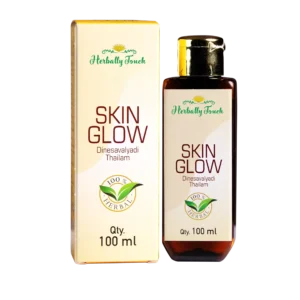
For true skin rejuvenation, a combined approach is key. This is why the Dermi Care Combo, which includes Skin Glow Oil and Manjishta Arkam, is the perfect solution. Together, they target skin issues both from the surface and internally, offering long-term benefits that go beyond superficial treatments.

Skin Glow Oil: External Nourishment for Instant Radiance
A powerful blend of herbs and oils, the Skin Glow Oil is designed to restore your skin’s natural luster. Rich in ingredients like Sesame Oil, Turmeric, and Ficus religiosa, it works to reduce pigmentation, smooth out fine lines, and nourish deeply for a radiant, even-toned complexion. The potent botanical ingredients also improve blood circulation, hydrate the skin, and fade scars, stretch marks, and other imperfections.

Whether you’re dealing with dull skin or marks left behind by past skin problems, this oil is a luxurious, nourishing treatment that brings visible improvements with consistent use. It’s like feeding your skin with the finest ingredients that nature has to offer.

Manjishta Arkam: Internal Care for Long-Term Results
While topical treatments can enhance your skin’s appearance, true beauty begins from within. Manjishta Arkam, made from the essence of Manjishta, works as a natural blood purifier that detoxifies the body and clears out toxins responsible for dull skin, pigmentation, and acne. By improving blood circulation and supporting collagen production, it helps your skin regain its elasticity and youthful glow.

This herbal tonic doesn’t just target the symptoms—it addresses the underlying causes of skin problems by promoting internal detoxification. Think of it as a way to cleanse your body from the inside, which reflects on your skin’s health and appearance.

The Balance Between External and Internal Care
Many people believe that only applying oils, creams, or lotions can fix their skin issues. While these external solutions are crucial, they are just one part of the puzzle. To achieve glowing, healthy skin, internal care is equally important. This is where the Dermi Care Combo stands out—it recognizes that treating the skin holistically, from both the inside and outside, is the key to lasting results.

External Care with Skin Glow Oil: Reduces visible signs of pigmentation, fades scars, diminishes wrinkles, and provides deep hydration for a luminous look.

Internal Care with Manjishta Arkam: Purifies the blood, boosts collagen production, detoxifies the system, and helps reduce melanin production to tackle pigmentation at its root.

By combining these two approaches, you’re not just treating the surface but giving your skin the strength to heal and regenerate from within.

A Complete Skincare Regimen for Natural Radiance
Achieving glowing skin is a journey that requires more than surface-level care. The Dermi Care Combo, with its powerful combination of Skin Glow Oil for external nourishment and Manjishta Arkam for internal healing, is the perfect blend of nature’s best ingredients designed to bring out your skin’s natural beauty.

So, if you’re ready to embrace a radiant, youthful complexion that lasts, it’s time to adopt a holistic skincare approach. With this complete inside-out regimen, you’ll not only see visible improvements in your skin but also experience long-lasting health and vitality from within.

Nutrient Deficiency as a Cause of Hair Fall

Nutrient deficiency is a significant and often overlooked cause of hair fall. Different nutrients play specific roles in maintaining the health and growth of hair. Here’s a closer look at how deficiencies in key nutrients can lead to hair loss and how Herbally Touch addresses these issues.

Key Nutrients and Their Impact on Hair Health

1. Iron Deficiency

Impact on Hair: Iron deficiency is one of the most common causes of hair loss, particularly in women. It can lead to a condition called telogen effluvium, where hair falls out after a significant shock to the system.

Symptoms: Thinning hair, excessive shedding, fatigue, and pale skin.

Sources of Iron: Red meat, spinach, lentils, and fortified cereals.

2. Vitamin D Deficiency

Impact on Hair: Vitamin D is essential for hair follicle cycling. Deficiency can lead to alopecia areata and other forms of hair loss.

Symptoms: Hair thinning, brittle hair, bone pain, and muscle weakness.

Sources of Vitamin D: Sunlight, fatty fish, fortified dairy products, and supplements.

3. Biotin (Vitamin B7) Deficiency

Impact on Hair: Biotin is crucial for keratin production, which is the main protein in hair. Deficiency can lead to hair thinning and loss.

Symptoms: Hair loss, brittle nails, skin rashes, and fatigue.

Sources of Biotin: Eggs, almonds, sweet potatoes, and spinach.

4. Zinc Deficiency

Impact on Hair: Zinc is vital for hair tissue growth and repair. It also helps maintain the function of the oil glands around the follicles.

Symptoms: Hair loss, rough and dry skin, frequent infections, and slow wound healing.

Sources of Zinc: Oysters, beef, pumpkin seeds, and chickpeas.

5. Vitamin B12 Deficiency

Impact on Hair: Vitamin B12 is essential for red blood cell formation, which in turn helps transport oxygen to hair follicles. Deficiency can lead to hair thinning and loss.

Symptoms: Hair loss, fatigue, weakness, and neurological issues.

Sources of Vitamin B12: Meat, fish, dairy products, and fortified cereals.

6. Folate (Vitamin B9) Deficiency

Impact on Hair: Folate aids in the formation of red blood cells and the growth of new cells. Deficiency can lead to hair thinning and loss.

Symptoms: Hair loss, fatigue, mouth sores, and poor growth.

Sources of Folate: Leafy greens, beans, peas, and fortified cereals.

7. Vitamin A Deficiency

Impact on Hair: Vitamin A is important for the production of sebum, which keeps the scalp moisturized. However, both deficiency and excess of Vitamin A can cause hair loss.

Symptoms: Dry hair, scalp issues, and vision problems.

Sources of Vitamin A: Sweet potatoes, carrots, pumpkins, and dark leafy greens.

8. Vitamin C Deficiency

Impact on Hair: Vitamin C is crucial for collagen production and helps in iron absorption. Deficiency can lead to weak, brittle hair and increased hair fall.

Symptoms: Hair loss, dry and splitting hair, bleeding gums, and frequent infections.

Sources of Vitamin C: Citrus fruits, strawberries, bell peppers, and broccoli.

9. Protein Deficiency

Impact on Hair: Protein is the building block of hair. A deficiency can lead to hair thinning and hair loss.

Symptoms: Hair loss, muscle wasting, fatigue, and weakened immune system.

Sources of Protein: Eggs, fish, lean meats, beans, and nuts.

10. Omega-3 Fatty Acids Deficiency

Impact on Hair: Omega-3 fatty acids nourish the hair and support its growth. Deficiency can lead to dry, brittle hair and scalp inflammation.

Symptoms: Dry and flaky scalp, rough hair, and dry skin.

Sources of Omega-3 Fatty Acids: Salmon, flaxseeds, chia seeds, and walnuts.

Preventing Nutrient Deficiencies

At Herbally Touch, we understand that simply consuming nutrients is not enough; their absorption is equally important for overall health and hair growth. With this aim, we have introduced products like Jeevaniyaganarkkam and Herbavita, which help the body to deal with nutrient deficiencies effectively. These products are specially formulated to enhance the absorption of essential nutrients, thereby playing a major role in the promotion of hair growth and overall well-being. By integrating these products into your daily routine, you can ensure that your body receives and absorbs the nutrients it needs to maintain healthy hair and prevent hair fall.

Dive into the Antioxidant Properties of G Coffee: Combating Oxidative Stress and Promoting Overall Health

In the world of health and wellness, antioxidants are celebrated for their ability to combat oxidative stress and support overall health. G Coffee, a unique blend of unroasted green coffee beans and powerful herbs such as ashwagandha, mucuna pruriens, cardamom, pepper, and ginger, is a potent source of these vital compounds. Let’s dive into the antioxidant properties of G Coffee and explore how they contribute to combating oxidative stress and promoting overall health.

Understanding Oxidative Stress

Oxidative stress occurs when there is an imbalance between free radicals and antioxidants in the body. Free radicals are unstable molecules that can damage cells, proteins, and DNA, contributing to aging and various diseases. Antioxidants neutralize these free radicals, preventing them from causing harm and maintaining cellular health.

The Antioxidant Power of G Coffee

Green Coffee Beans

The primary ingredient in G Coffee, unroasted green coffee beans, is a rich source of chlorogenic acid—a powerful antioxidant. Chlorogenic acid has been shown to:

  1. Reduce Inflammation: By neutralizing free radicals, chlorogenic acid helps lower inflammation levels in the body, reducing the risk of chronic inflammatory conditions.
  2. Improve Metabolism: This compound also aids in regulating glucose and lipid metabolism, supporting weight management and reducing the risk of metabolic disorders.
  3. Protect Cells: Chlorogenic acid protects cells from oxidative damage, which is crucial for preventing diseases like cancer and cardiovascular diseases.

Ashwagandha

Ashwagandha, a well-known adaptogen, is packed with antioxidants that help combat oxidative stress. Its benefits include:

  1. Enhancing Immunity: By reducing oxidative stress, ashwagandha supports a robust immune system, helping the body fend off infections and illnesses.
  2. Promoting Brain Health: Antioxidants in ashwagandha protect brain cells from damage, enhancing cognitive function and potentially reducing the risk of neurodegenerative diseases.

Mucuna Pruriens

Mucuna pruriens, also known as velvet bean, contains high levels of antioxidants like L-DOPA. These antioxidants:

  1. Support Neuroprotection: L-DOPA helps protect neurons from oxidative damage, improving brain health and reducing the risk of neurological disorders.
  2. Enhance Mood and Well-being: By reducing oxidative stress, mucuna pruriens supports overall mental health and well-being.

Cardamom

Cardamom is not just a flavourful spice but also a potent antioxidant. It offers several health benefits:

  1. Detoxification: Antioxidants in cardamom help detoxify the body by neutralizing free radicals and promoting cellular health.
  2. Digestive Health: Cardamom’s antioxidant properties support a healthy digestive system, reducing the risk of gastrointestinal issues.

Pepper

Black pepper contains piperine, a compound with strong antioxidant properties. Piperine:

  1. Enhances Nutrient Absorption: By improving the bioavailability of other nutrients, piperine ensures that the body absorbs more antioxidants from the diet.
  2. Supports Metabolism: Piperine’s antioxidant effects help boost metabolism and protect against metabolic diseases.

Ginger

Ginger is renowned for its anti-inflammatory and antioxidant properties. It provides several health benefits, including:

  1. Reducing Oxidative Stress: Gingerols, the active compounds in ginger, have powerful antioxidant effects that help combat oxidative stress.
  2. Protecting Heart Health: By reducing oxidative damage, ginger supports cardiovascular health, lowering the risk of heart disease.

Promoting Overall Health with G Coffee

The antioxidant properties of G Coffee contribute to overall health in various ways:

  1. Boosting Immune Function: Antioxidants enhance the immune system’s ability to fight off infections and diseases.
  2. Supporting Heart Health: By reducing oxidative stress and inflammation, G Coffee helps protect against cardiovascular diseases.
  3. Enhancing Brain Health: Antioxidants protect brain cells from damage, supporting cognitive function and reducing the risk of neurodegenerative disorders.
  4. Aiding Digestion: The digestive benefits of cardamom and ginger, combined with their antioxidant effects, promote a healthy digestive system.
  5. Weight Management: The metabolism-boosting effects of green coffee beans and pepper help manage weight and prevent metabolic disorders.

Conclusion

G Coffee is more than just a flavorful beverage; it’s a powerhouse of antioxidants that combat oxidative stress and promote overall health. With ingredients like green coffee beans, ashwagandha, mucuna pruriens, cardamom, pepper, and ginger, G Coffee offers a unique blend of health benefits that support immunity, heart health, brain function, digestion, and weight management. Embrace the antioxidant power of G Coffee and enjoy a healthier, more vibrant life with every sip.

Recognizing warning signs of diabetic foot and ways to prevent it

Recognizing warning signs of diabetic foot complications and taking preventive measures are crucial for individuals with diabetes. Here are detailed tips on how to identify warning signs and ways to prevent diabetic foot issues:

Recognizing Warning Signs of Diabetic Foot Complications

Persistent Pain or Numbness:

Look for ongoing pain, tingling, burning, or numbness in your feet or legs. These can be signs of nerve damage (neuropathy).

Changes in Skin Colour and Temperature:

Noticeable changes such as redness, blueness, or unusual warmth or coolness of your feet could indicate circulation problems.

Foot Ulcers or Sores:

Be alert to any open sores, wounds, or ulcers that are slow to heal or show signs of infection. These require immediate medical attention.

Swelling:

Unexplained swelling in your feet or ankles may be a sign of poor circulation or other underlying issues.

Ingrown Toenails or Calluses:

Watch for ingrown toenails or thickened calluses that, if not properly managed, can lead to skin breakdown and infection.

Foot Deformities:

Changes in the shape of your feet, such as hammertoes or bunions, can create pressure points and lead to foot problems.

Decreased Sensation:

Loss of sensation (inability to feel pain, heat, or cold) in your feet is a serious warning sign of nerve damage and requires immediate medical evaluation.

Drainage or Odour:

Any unusual discharge or foul odor from a sore or wound on your foot can indicate infection and should be addressed promptly.

Ways to Prevent Diabetic Foot Complications

Daily Foot Inspection:

Check your feet every day for cuts, blisters, redness, swelling, or any signs of infection. Use a mirror to see the bottoms of your feet or ask someone for help if needed.

Keep Feet Clean and Moisturized:

Wash your feet daily with lukewarm water and mild soap. Dry them thoroughly, especially between the toes, and use a moisturizer to keep the skin soft (avoid applying it between the toes).

Trim Nails Carefully:

Trim your toenails straight across and file the edges to prevent ingrown nails. If you have difficulty doing this, consider seeing a podiatrist.

Wear Proper Footwear:

Choose shoes that fit well and provide ample support and protection. Avoid shoes that are too tight or have seams that could rub against your feet. Always wear socks to prevent friction and blisters.

Avoid Going Barefoot:

Protect your feet from injury by wearing shoes or slippers at all times, even indoors. Check inside your shoes before putting them on to ensure there are no foreign objects.

Manage Blood Sugar Levels:

Keep your blood sugar levels within your target range to prevent nerve and blood vessel damage that can lead to foot complications.

Quit Smoking:

Smoking restricts blood flow to your feet, making it harder for wounds to heal. Quitting smoking can improve circulation and reduce the risk of foot complications.

Regular Exercise:

Engage in regular physical activity to improve circulation and nerve function in your feet. Consult your healthcare provider before starting a new exercise routine.

Routine Healthcare:

Visit your healthcare provider regularly for foot exams. They can detect early signs of foot problems and provide appropriate treatment.

Wear Proper Socks:

Choose moisture-wicking socks that fit well and provide cushioning. Avoid tight socks and those with seams that could cause irritation.

Conclusion

By following these preventive measures and being vigilant about recognizing warning signs, individuals with diabetes can significantly reduce their risk of developing serious foot complications. Regular consultations with healthcare providers, including podiatrists, are essential for maintaining foot health.

Common Misconceptions about Back Pain

Back pain is a pervasive issue often clouded by misconceptions that can hinder effective treatment and management. These myths range from beliefs about its causes—such as assuming all back pain stems from physical injury—to misconceptions about its treatment, such as the idea that bed rest is always the best solution. Clarifying these misunderstandings is essential for promoting accurate information and empowering individuals to make informed decisions about their back health.

  1. Rest is Always Best
    • Many believe that complete rest is the best treatment for back pain. However, staying active within comfortable limits can help maintain flexibility and strength, and speed up recovery.
  2. Exercise Will Make Back Pain Worse
    • While high-impact activities may exacerbate pain, gentle exercises like walking, swimming, and stretching can actually help alleviate back pain and prevent future episodes.
  3. Only Older Adults Get Back Pain
    • Back pain can affect people of all ages, not just the elderly. Poor posture, heavy lifting, and sedentary lifestyles can contribute to back pain in younger individuals as well.
  4. If You Have Back Pain, You Should Avoid All Physical Activity
    • Avoiding all physical activity can lead to stiffness and weakness. It’s important to engage in appropriate exercises and activities to maintain mobility and strength.
  5. Back Pain is Always Due to Injury
    • While injuries can cause back pain, other factors such as poor posture, stress, and underlying medical conditions like arthritis or herniated discs can also be culprits.
  6. Only Surgery Can Fix Severe Back Pain
    • Surgery is often considered a last resort. Many people find relief through non-surgical treatments like physical therapy, chiropractic care, and lifestyle modifications.
  7. Bad Posture is the Only Cause of Back Pain
    • Poor posture is a common cause, but back pain can also result from muscle imbalances, weak core muscles, and even psychological factors like stress and anxiety.
  8. Back Pain Will Always Go Away on Its Own
    • While some acute back pain can resolve without treatment, chronic or severe back pain often requires professional intervention to prevent it from becoming a long-term issue.
  9. A Firm Mattress is Best for Back Pain
    • The best mattress for back pain varies from person to person. Some may benefit from a medium-firm mattress that supports natural spinal alignment, while others may need different levels of firmness.
  10. Back Pain is an Inevitable Part of Aging
    • While the risk of back pain increases with age, it is not an inevitable part of aging. Maintaining a healthy lifestyle with regular exercise and proper body mechanics can help prevent it.
  11. Pain Equals Damage
    • Pain does not always indicate serious damage. It can be a result of muscle tension, inflammation, or other non-severe causes. However, persistent or severe pain should be evaluated by a healthcare professional.
  12. Heavy Lifting Always Causes Back Pain
    • Proper lifting techniques and using appropriate support can prevent back pain, even when lifting heavy objects. The key is to use your legs and keep the load close to your body.
  13. Everyone with Back Pain Needs Imaging Tests
    • Not all back pain cases require X-rays, MRIs, or CT scans. Many diagnoses can be made through a physical examination and medical history. Imaging is usually reserved for severe or persistent cases.
  14. Back Pain is Always Due to Physical Factors
    • Emotional and psychological factors such as stress, depression, and anxiety can contribute to or worsen back pain. Addressing mental health is also important in managing back pain.
  15. Over-the-Counter Medications are Always Safe
    • While OTC medications can provide relief, they can also have side effects and interactions with other medications. It’s important to use them as directed and consult with a healthcare professional if necessary.
Add to cart

BETSLOTS88

BETSLOTS88

TOTOWIN

BETSLOT88

TOTOWIN